Tourism is additive.
Meaning that compounds.
Our latest exploratory research revealed that for many, travel along the U.S. Civil Rights Trail is more than visiting places. Travel is about connection, empathy, and discovering what truly makes an experience meaningful. Here’s what travelers told us.
We often talk about travel in transactional terms.
Visits. Bookings. Revenue. Occupancy. Load factor.
But when you actually sit with travelers and ask them how they feel about a place, what they did and what it meant to them, something else emerges.
We recently had the privilege of conducting qualitative research for the U.S. Civil Rights Trail as part of our annual in-kind work. The Trail connects more than 130 heritage sites where segregation was challenged in the 1950s and 1960s. We wanted to understand how today’s travelers perceive and experience the trail.
So, we asked. Thirty interviews with U.S. travelers were conducted using an AI agent. And, we listened. From those conversations, three layers surfaced: mindsets + experiences + anchors.
Mindsets.
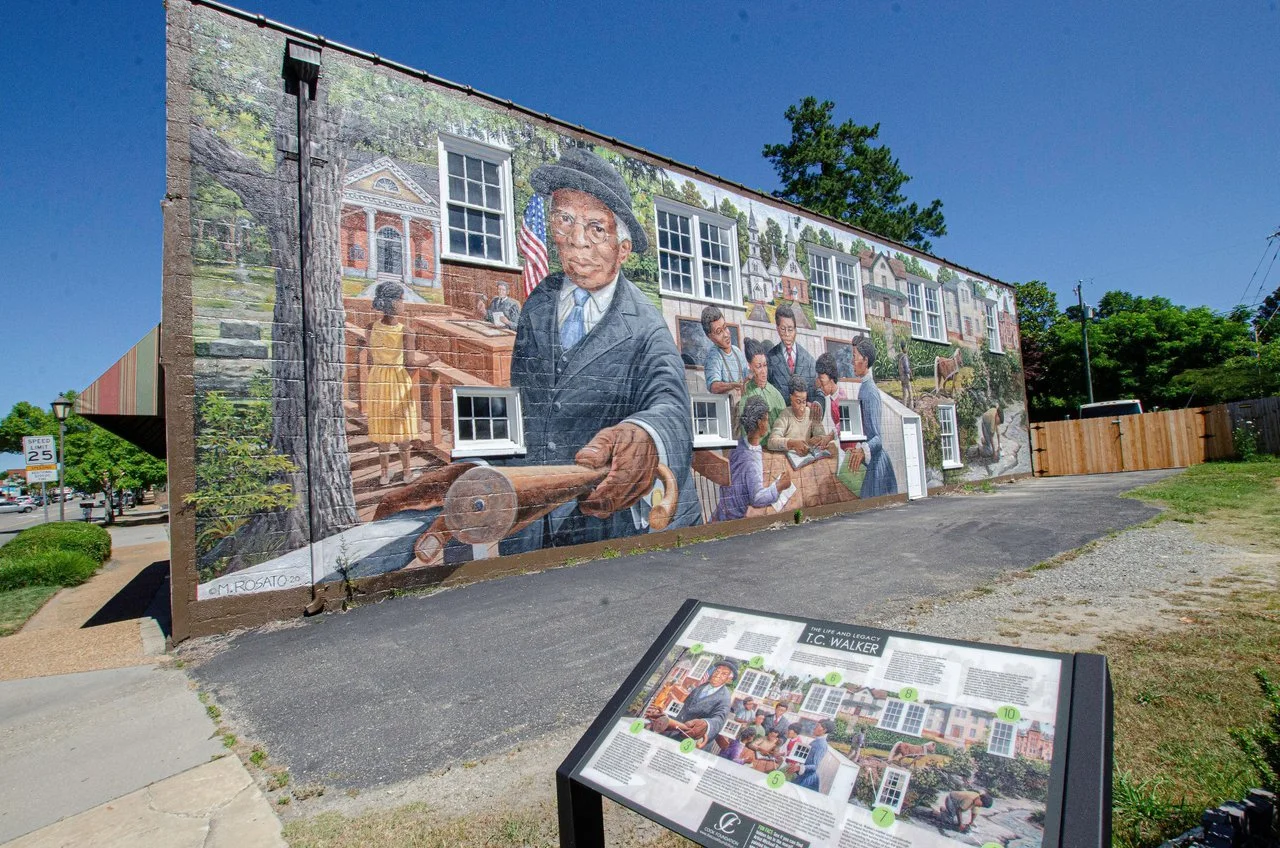
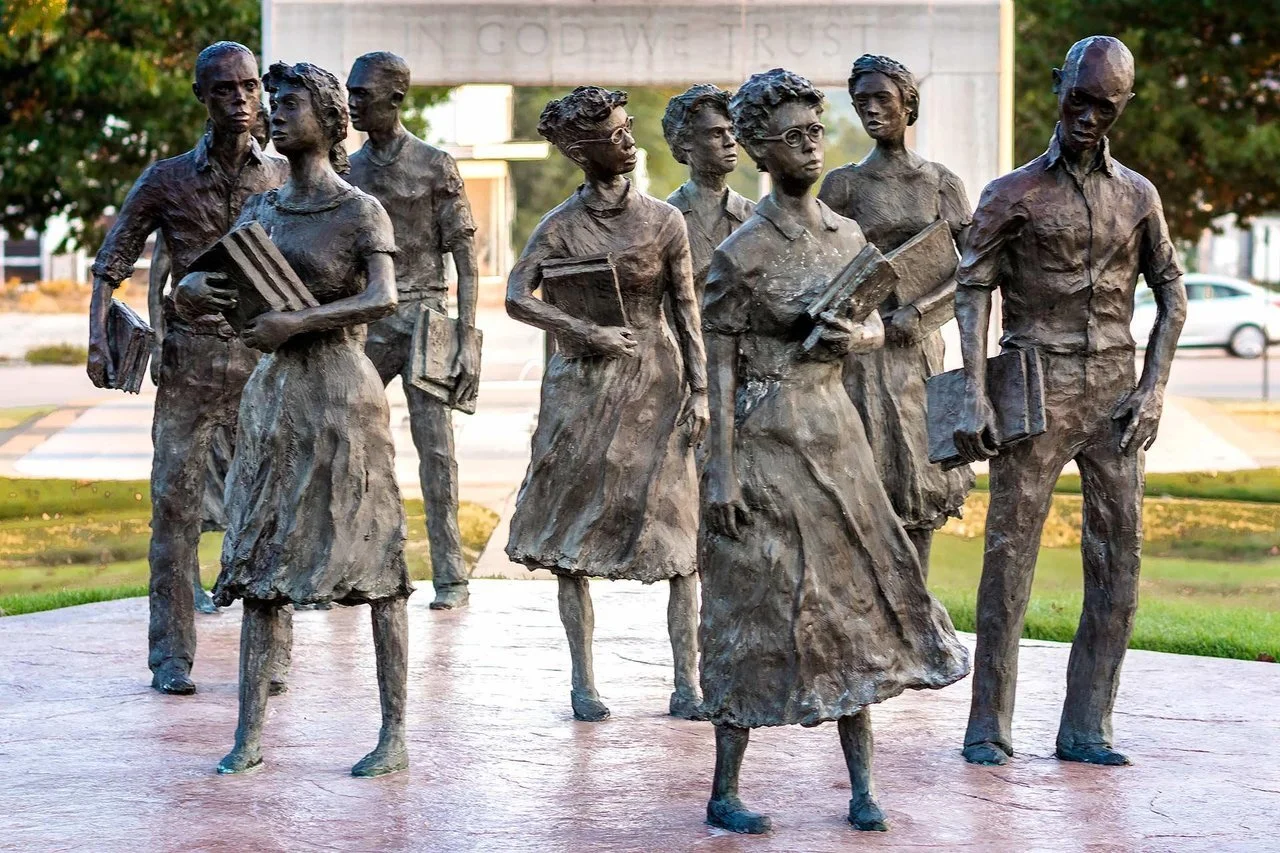
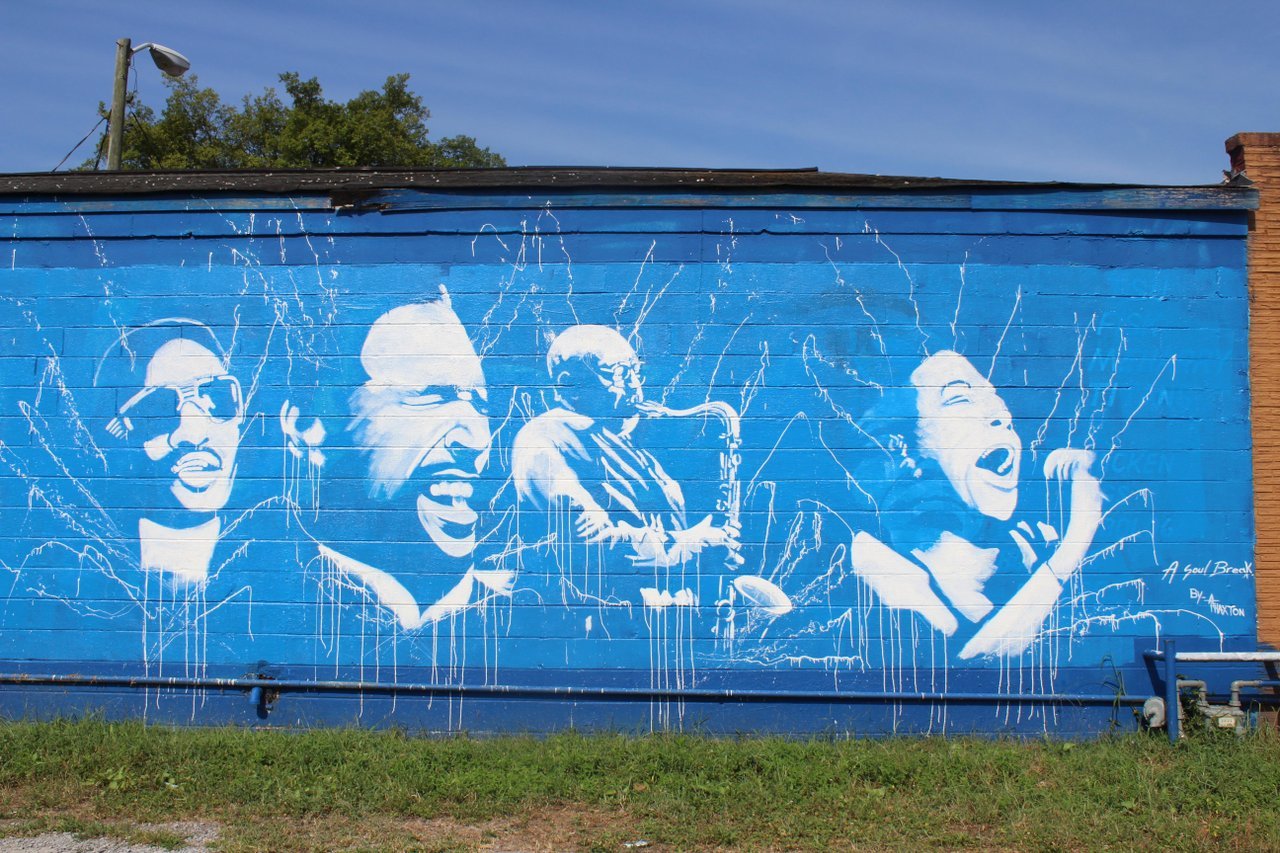
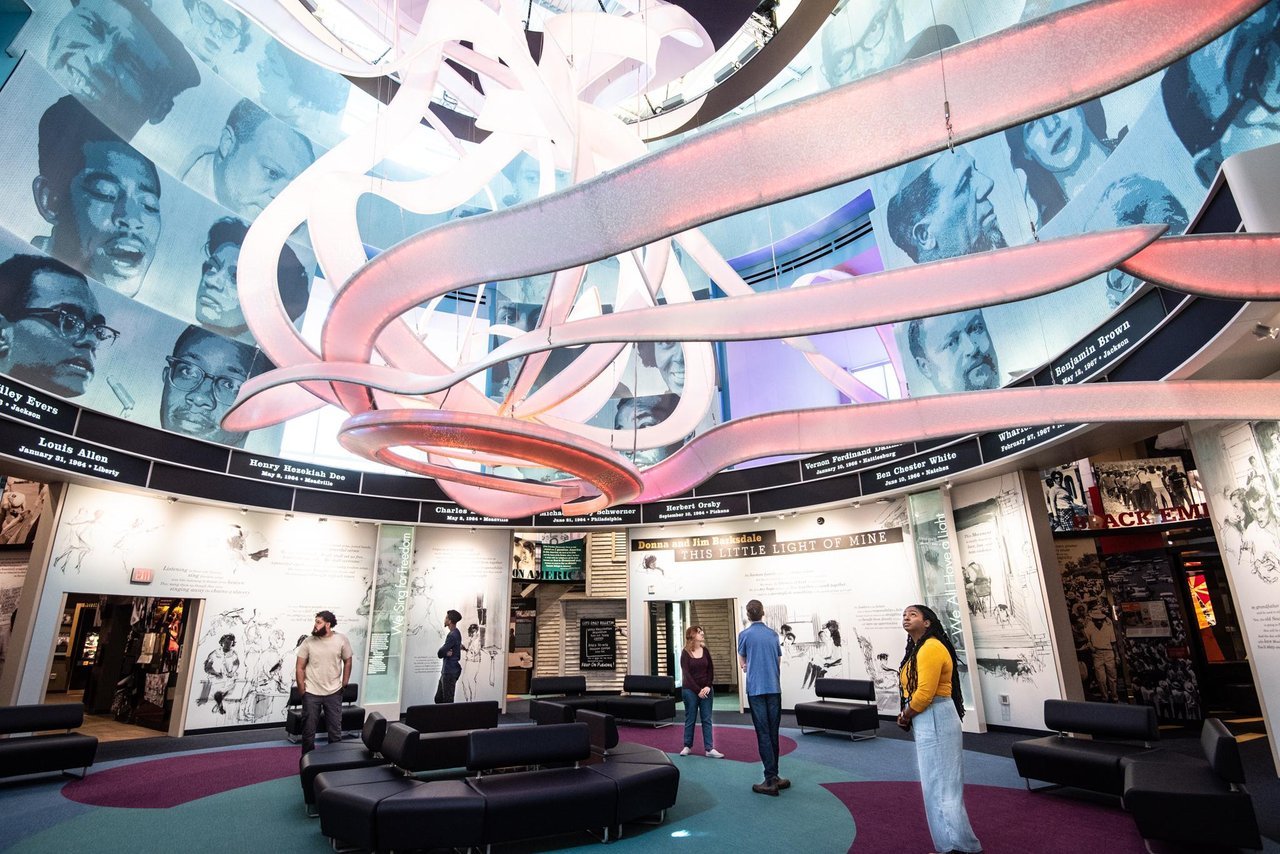
Not all travelers are alike. Their experiences differ even though they are visiting the same place. Interestingly, when describing their travel experiences, travelers rarely named specific buildings, sites, or landmarks. They spoke in ethos. Freedom, Justice, Courage, The American Dream. Others went deeper. Hardship, legacy, violence, struggle. And, some were candid: “I don’t know what visiting the Trail is like.” To make sense of this, we moved beyond travel behavior to mindsets. Three mindsets emerged.
Idealists see the Trail as a symbolic journey rooted in equality, freedom, and justice. For them, its significance carries a moral gravity. The Trail is a place where American values are contested and affirmed. They are drawn to stories of resilience focused on legacy, reflection, and social progress.
Realists seek historical truth and want to understand history with its complexity, both the good and the bad. They view the Trail as a path to a deeper connection with American heritage. They value community voices and the authenticity of historical interpretation. What drives them is education and a sense of knowing.
Untapped travelers recognize the Trail offers a historical experience, but they are unsure what it entails. Their perceptions are positive or neutral. They are simply underinformed. Introductory messaging and visual storytelling could invite these travelers in.
Experiences.
When travelers talked about what they actually did, they did not necessarily list every museum or landmark they visited. They discussed how those places made them feel. Their experiences were about emotional spaces, shaped by each moment of travel, not physical spaces.
Intention to immerse: travel is kindness.
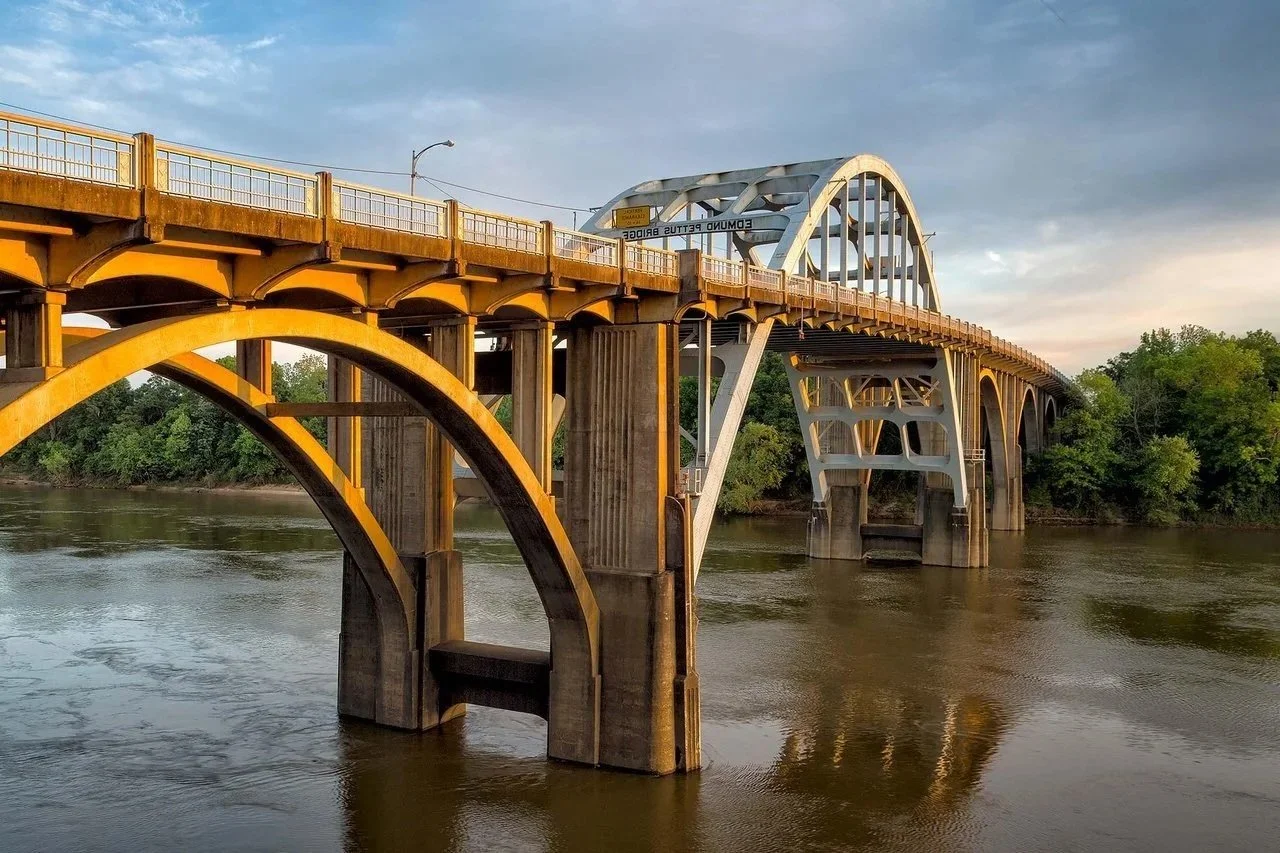
One traveler described walking across the Edmund Pettus Bridge in Selma, AL, "I imagined the courage of those who marched there. I was with my family, and we stood silently for a few minutes, feeling the weight of history beneath our feet." And there is a kindness for that moment, for the people who lived it. The connection between the people who lived it and ours. As well as the intersection of past, present, and future.
Openness to connect: travel is togetherness.
Nearly every traveler discussed their experiences on the Trail and how they shared them with others. My two sons. My best friend. My partner and children. A bunch of friends. About 12 of us. The experience was not individual. In this context, history becomes a family memory, a shared moment, a bond.
Curiosity to explore: travel is a mosaic.
Travelers don’t think and behave in silos. Civil rights sites sit alongside a multitude of experiences. Travelers’ experiences are rich, incorporating beaches, college towns, cities, local cuisine, live shows, cruises, and city tours. They also show a strong appetite for multi-destination, multi-state journeys. For the Trail, that means trail sites are rarely the whole trip, rather a thread that connects many different pieces.
Presence to feel: travel is a dichotomy.
One traveler described feeling profound respect and connection while standing at Dr. King’s church. Another described a mix of emotions. Pride. Sadness. Gratitude. Joy and grief. Comfort and discomfort. Past and present. Present and future. That emotional complexity is what makes an experience real, authentic, and moving.
Anchors.
Travel is deeply personal. It is a space for intention and also part of lived experience.
Empathy.
Travelers want to learn about everyday people, not only the famous figures. They talked about personal stories, local voices, community members, and ordinary people who became heroes. Idealists respond to the ethos in these stories. Realists respond to the authenticity. The Untapped respond to the human entry point.
Respect.
Keep it real. One traveler put it into perspective, "Tell all of the history, both good and bad. Do not erase it. We can learn from it." Glossing over the hard parts does not make the product more appealing. It can undermine trust. Different perspectives and voices teach us how to listen and how to understand the complexities of our history.
Inspiration.
Connect the past, present, and future. People want to leave feeling that each person has the power to make a difference. The most effective stories do not stop at "look what happened"; they also say, "here is what that means for us now."
The hard part.
Here is what this research challenged in my own thinking.
I came into this project assuming that the biggest barrier for the Trail was awareness. Some 27 percent of our interviewees did not know the Trail existed and were interested in visiting. But awareness is a solvable problem. You can run campaigns. You can optimize channels. You can grow a social following.
The harder question is this: are we designing experiences and telling stories that match the depth of what travelers actually desire?
Because not a single interviewee discussed politics. They talked about understanding, relating, and reflecting when visiting places. Standing where someone stood six decades ago, and imagining themselves in that exact situation and time. Learning alongside their children. Being moved. Being grateful. Being more aware of history's impact on their own lives. They were describing something profoundly simple: the desire to relate to other human experiences across time.
Beneath all the data, travelers desire these experiences because these moments enrich their view of the world. Each visit adds a layer to who they are. It compounds.
So the real question for destination leaders is whether we are meeting travelers where they are. With anchors rooted in empathy, experiences designed for real human connection, and the trust that comes from keeping it honest.
Stop treating heritage as a niche vertical. It is what travelers tell us they want from all travel: something that deepens their understanding of themselves and each other, and is meaningful enough to share.
The most powerful thing we can offer travelers is meaning that compounds.
*********
This research was conducted as part of Esra Calvert Consulting's annual in-kind work, dedicated to supporting meaningful, mission-driven initiatives in the travel and tourism sector.